Português
 English

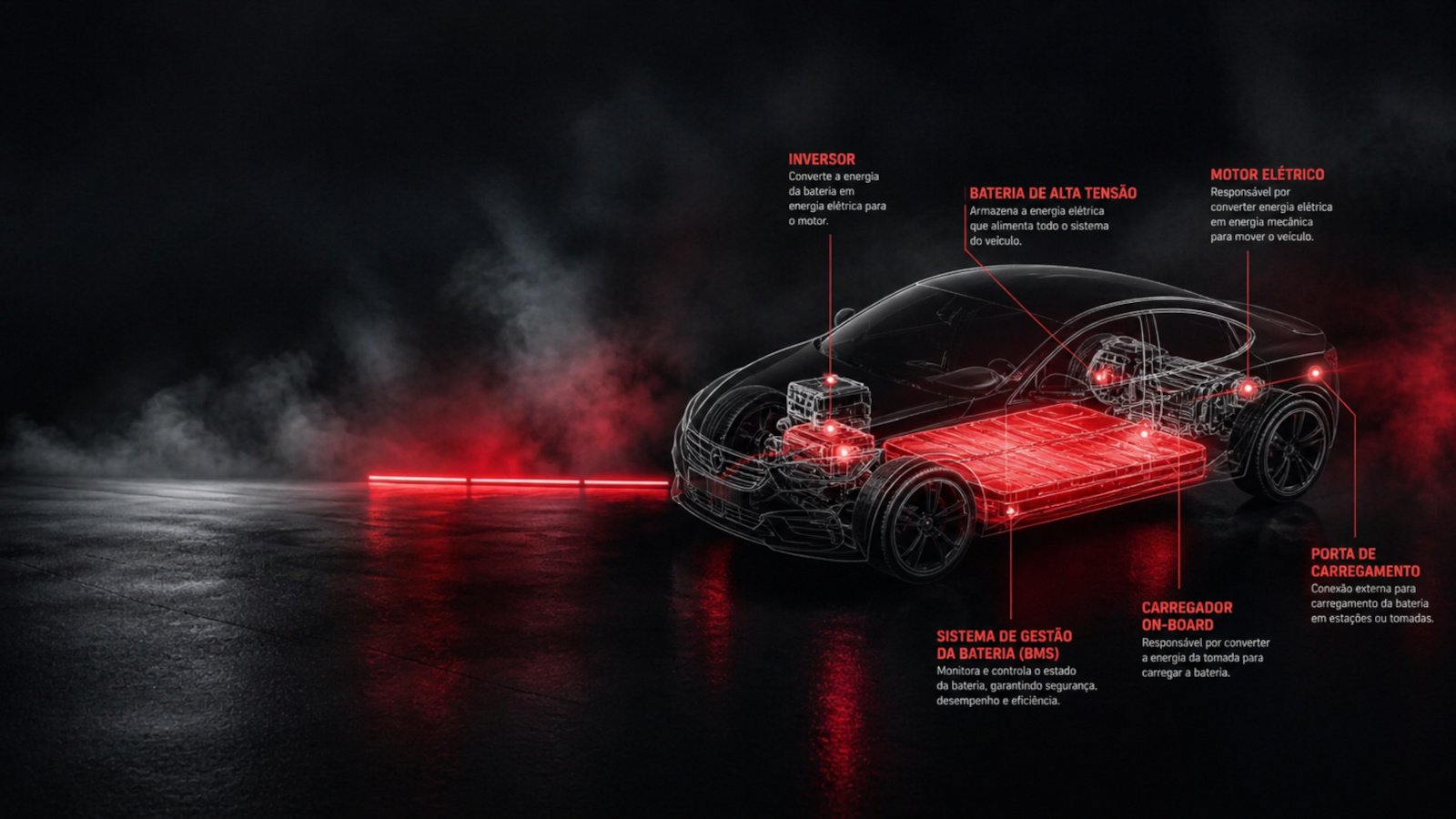
Range anxiety and long waits at charging stations are no longer major obstacles for electric car drivers. The new industry standard for premium and mid-range models is now focused on implementing 800-volt (800V) architectures. This technological evolution is the breakthrough that allows batteries to recover from 10% to 80% charge in approximately 20 minutes, bringing the experience of “refueling” an EV much closer to the time spent at a gas station with a combustion vehicle.
To understand the advantage, we need to look at the physics behind it. Most previous-generation electric cars operate on 400V systems. To increase charging speed in these systems, manufacturers would need to increase the current (amperage), which generates excessive heat and requires extremely thick and heavy cables. By doubling the voltage to 800V, it becomes possible to transfer the same amount of energy — or even more — with lower current. This results in less heat, lighter electronic components, and, most importantly, superior thermal efficiency during the charging process.
Range During a Coffee Break
The numbers are impressive: the fastest next-generation chargers can already add around 160 km (100 miles) of range in less than 10 minutes. In practice, this means that a short stop for coffee during a trip is enough to guarantee the next stage of the journey. Beyond speed, 800V architecture also allows the vehicle to maintain a higher “charging curve” for longer, preventing charging speeds from dropping dramatically after the first few minutes — a common issue in older technologies.
The comparison between “older batteries” (400V standard) and the new 800V generations reveals a massive leap in productivity. Previously, charging a vehicle from 10% to 80% could take between 45 and 60 minutes on conventional fast chargers. In addition, thermal stress reduced cell lifespan if fast charging was used frequently. With the new technology, thermal management systems are far more sophisticated, allowing the battery to handle high power levels (above 250 kW) in a stable and safe way while preserving the long-term chemical integrity of the cells.
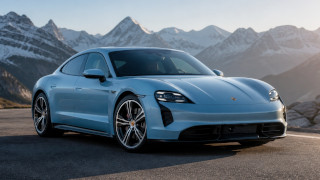
Although 800V architecture first appeared in luxury and high-performance sports cars, it is rapidly moving into the mid-range segment. Global automakers realized that charging speed is a stronger selling point than raw battery size. By offering a car that charges quickly, manufacturers can use slightly smaller — and lighter — battery packs while maintaining practicality for long-distance travel. This technological democratization is what will solidify electric cars as the primary choice for consumers in the coming years.