Português
 English

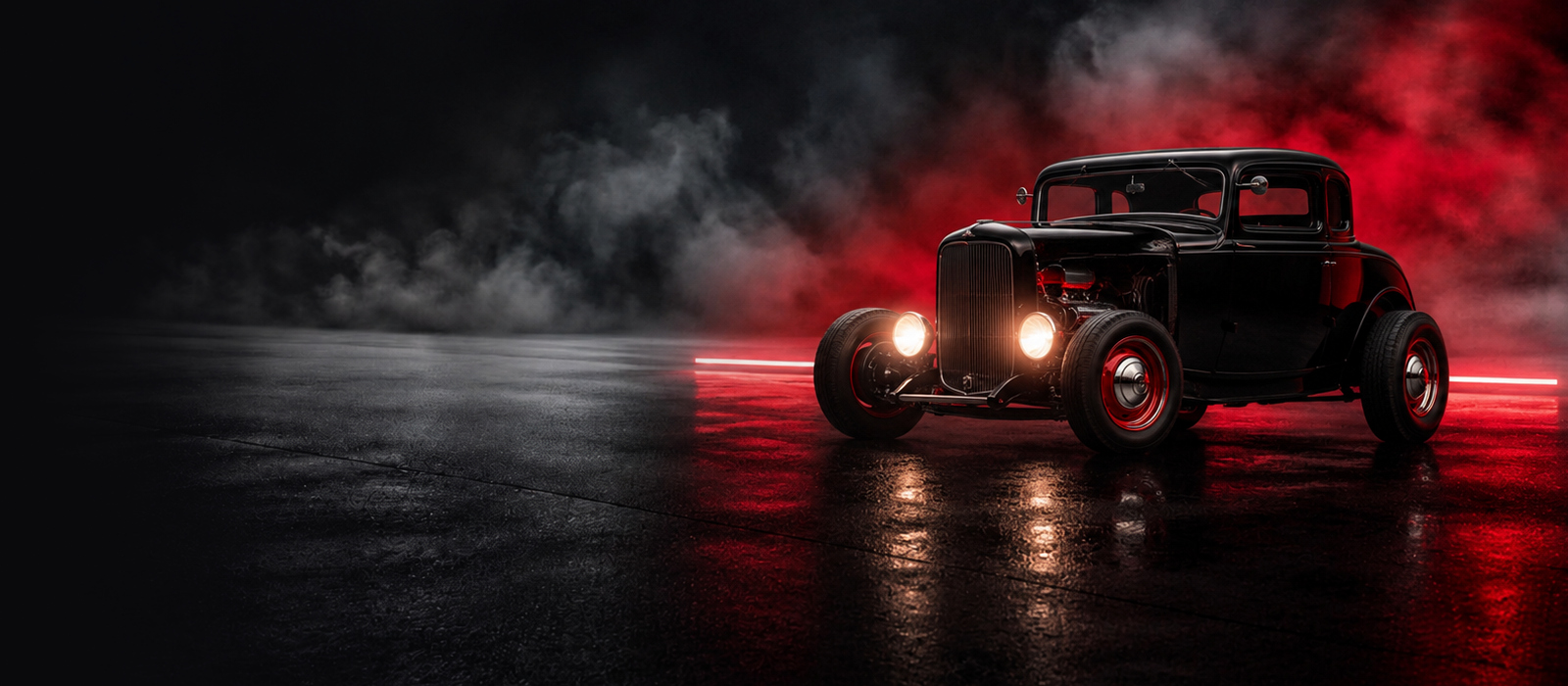
The 1932 Ford Deuce Coupe is not just an old automobile — it is one of the greatest symbols of global automotive culture. Born during a transformative period in the industry, it became, almost by accident, the archetype of the American hot rod, combining simple engineering, striking design, and nearly limitless customization potential.
Since its debut, the model (part of the 1932 Ford Model 18 lineup) introduced a crucial innovation: the affordable flathead V8 engine available to the general public. This completely transformed the automotive landscape of the era by offering high performance in a relatively inexpensive and easy-to-modify car.
The Perfect Platform for Customization
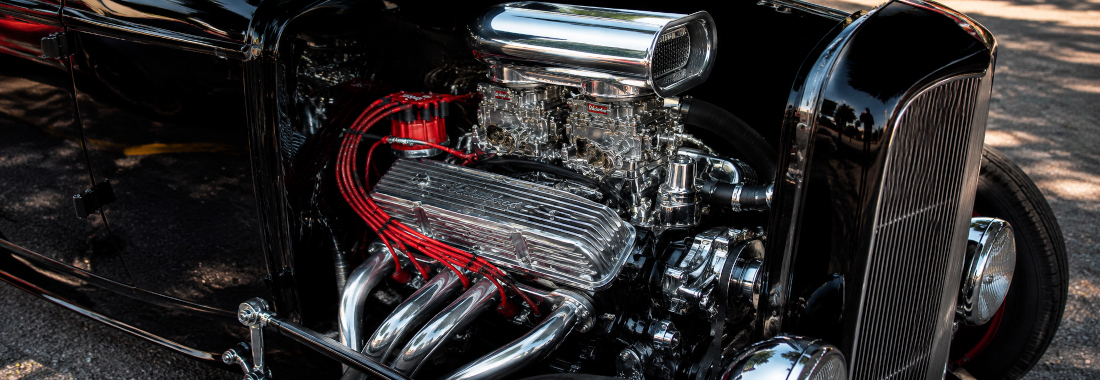
If there is one car that can truly be called the “blank canvas” of automotive culture, it is the Deuce Coupe. Its simple, lightweight, and robust structure — featuring reinforced steel bodywork — made mechanical and visual modifications incredibly easy.
In practice, this meant total freedom:
- Fender removal to reduce weight and improve aerodynamics
- Engine swaps (from the original flathead to modern V8s or even electric powertrains)
- “Chop top” roof lowering for a more aggressive appearance
- Custom paint jobs, flames, and unique finishes
- Modified suspensions and completely redesigned chassis
The result is a rare phenomenon: no two Deuce Coupes are ever the same. Even while maintaining the iconic silhouette, every build reflects the personality of its creator.
Additionally, the wide availability of fiberglass and steel replicas since the 1970s further expanded the customization scene, allowing modern builds with contemporary technology without sacrificing the classic look.
Famous Hot Rods and Pop Culture
The Deuce Coupe transcended the automotive world and became permanently embedded in pop culture. One of the most iconic examples is the car featured in the song and album Little Deuce Coupe by The Beach Boys, which helped immortalize the model as a symbol of freedom and speed.
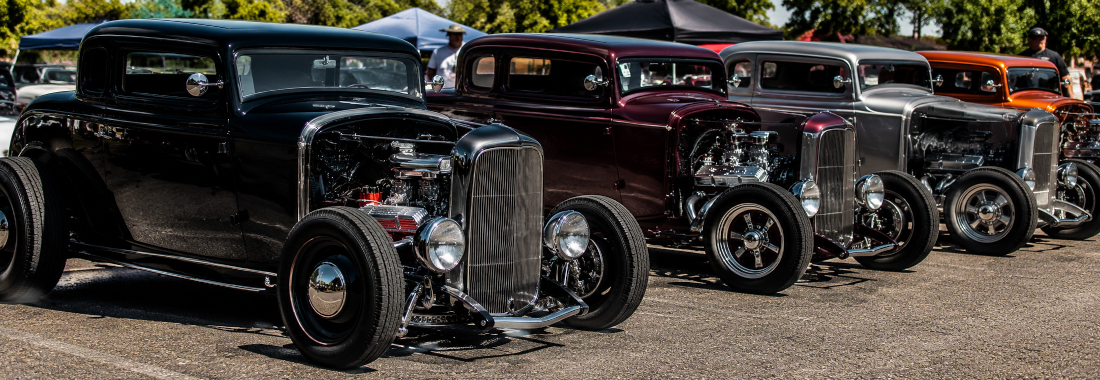
Another major highlight is its appearance in the film American Graffiti, where the hot rod became a visual centerpiece of 1960s American youth culture.
Among real-life hot rods, some achieved legendary status, such as Clarence “Chili” Catallo’s customized Deuce, which became an aesthetic reference thanks to its chopped roof and modified V8 engine — a perfect example of the “do-it-yourself” spirit that defines the movement.
Events like the Northwest Deuce Days gather hundreds of examples of the model, each with its own identity, proving how the car remains relevant nearly a century later.
Value, Rarity, and Collecting
In the classic car market, the Deuce Coupe occupies a special position. Originally an affordable car, it evolved into one of the most desired models among collectors.
Today, factors such as originality, restoration quality, and historical pedigree directly influence its value. Restored examples or high-end hot rods can easily exceed $60,000, while historically significant or award-winning models may reach far higher figures at auctions.
Ironically, because of its popularity as a customization platform, untouched original examples have become increasingly rare — further increasing their value among purists.
Beyond financial value, there is also a cultural importance that is difficult to measure. The Deuce Coupe represents the birth of automotive personalization as a form of individual expression — something that influenced everything from modern tuning culture to contemporary automotive design.
An Eternal Icon
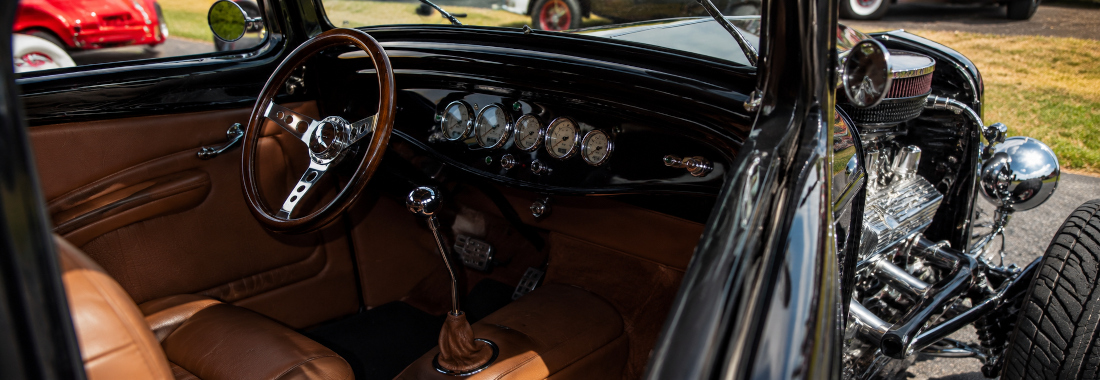
The 1932 Ford Deuce Coupe remains much more than just an old car. It is a bridge between generations, styles, and automotive philosophies. Whether as a radical hot rod, a museum piece, or a modern project featuring cutting-edge technology, its essence remains unchanged: freedom, creativity, and passion for speed.
Few vehicles manage to stay relevant across decades — and even fewer accomplish this while being both a timeless classic and infinitely reinventable.